


Article: How to Choose Wedding Lehenga: Expert Tips for Brides

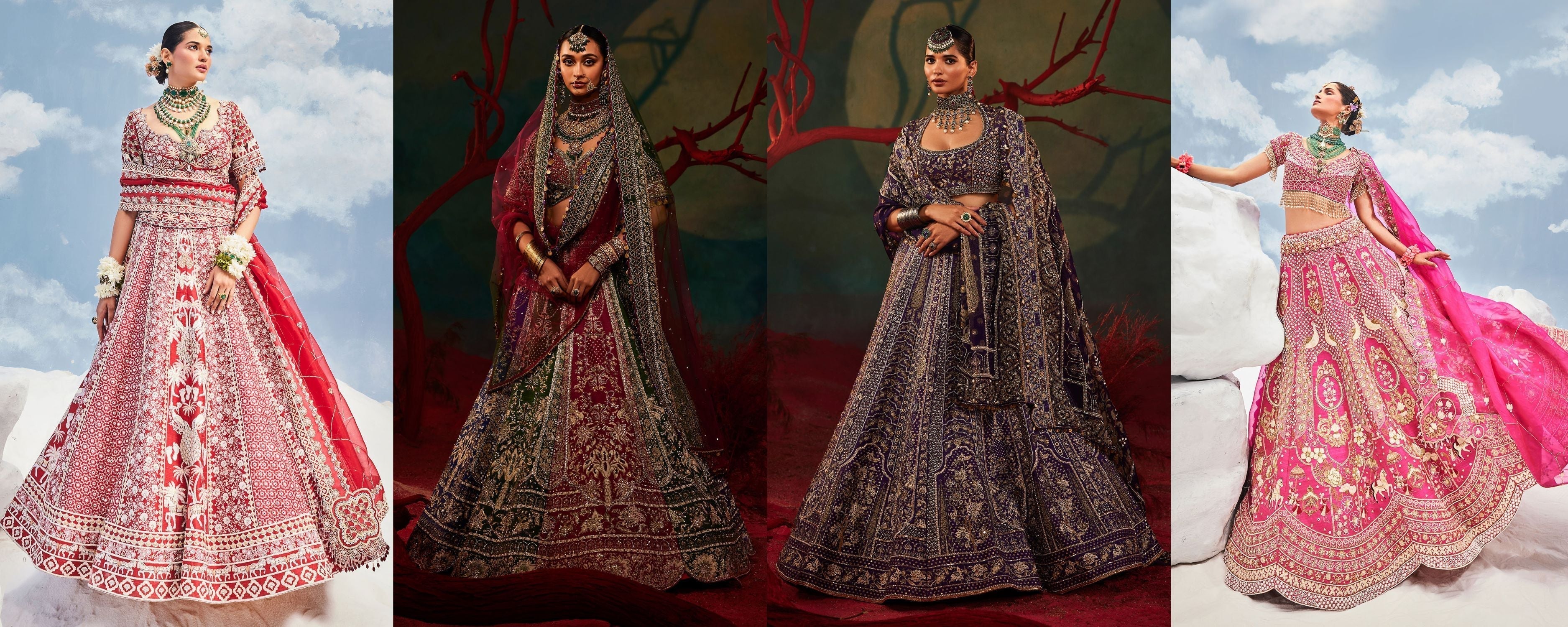
How to Choose Wedding Lehenga: Expert Tips for Brides
Choosing your wedding lehenga is not just a shopping task - it’s a decision tied to memories, comfort, confidence, and cultural expression. With countless silhouettes, fabrics, colours, and trends competing for attention, many brides feel overwhelmed before they even step into a store or scroll online. This guide breaks the process down clearly and practically, helping you understand how to choose wedding lehenga based on factors that truly matter, not fleeting trends.
Whether you’re shopping in person or planning to buy wedding lehenga online, this guide will help you make informed, confident choices.
Start With the Wedding Setting, Not Trends
Before looking at designs, pause and assess the setting of your wedding. This often gets overlooked but plays a critical role in Wedding lehenga selection.
Consider:
-
Time of the ceremony (day, evening, night)
-
Venue type (indoor hall, open lawn, palace, beach, temple)
-
Season and climate
-
Cultural or family traditions
For example, heavy velvet or dark tones feel regal for winter night weddings but can be uncomfortable for daytime summer ceremonies. When you align your lehenga with the setting, everything else - from jewellery to makeup - falls into place naturally.
Understanding Your Body Type Helps More Than You Think
One of the most common bridal concerns is fit. The truth is, every body type looks good in a lehenga, provided the cut is right.
Here’s how to approach it practically:
-
Petite frames benefit from lighter fabrics, vertical panels, and minimal borders.
-
Curvier bodies look stunning in structured silhouettes with defined waistlines and evenly distributed embroidery.
-
Tall brides can carry heavier flares, layered panels, and bold borders beautifully.
Instead of asking “what body type looks best in a lehenga,” ask which silhouette enhances your proportions. The right tailoring matters more than size labels.
Colour Selection: Beyond Red and Maroon
While red remains symbolic, modern bridal palettes have expanded beautifully. When choosing colour, skin tone and lighting matter as much as tradition.
General guidance:
-
Warm undertones glow in jewel tones like emerald, wine, rust, and gold
-
Cooler undertones shine in blush, ivory, teal, and muted pastels
-
Neutral undertones can experiment freely
Also think long-term. Will you want to rewear your lehenga for future family weddings or anniversaries? Choosing a colour with versatility often makes the piece more meaningful.
Fabric Matters More Than Embellishment
Many brides fall in love with embroidery first, but fabric determines comfort, drape, and longevity.
Popular bridal fabrics and their strengths:
-
Silk: Structured, traditional, and timeless
-
Velvet: Rich and dramatic, best for winter weddings
-
Organza: Light, elegant, and ideal for layered looks
-
Georgette or crepe: Easy to manage, fluid, and travel-friendly
If you’re planning to buy wedding lehenga online, fabric details are crucial. Look for close-up images, drape shots, and fabric weight descriptions before committing.
Embroidery Placement Is Key
Heavy work doesn’t need to be everywhere. In fact, well-placed embroidery often looks more refined.
Smart placement tips:
-
Concentrated work near the waist and hem balances the silhouette
-
Lighter panels in between prevent visual heaviness
-
Detailed blouses paired with simpler skirts (or vice versa) offer flexibility
Avoid over-embellishment that restricts movement. You’ll be wearing this for hours - comfort is non-negotiable.

Budget Planning Without Compromise
Set a realistic budget early and divide it smartly:
-
Lehenga
-
Blouse stitching
-
Dupatta(s)
-
Alterations
Many brides overspend on embellishment and compromise on tailoring. Perfect fit elevates even simpler designs. A well-stitched lehenga always photographs better than an expensive but ill-fitted one.
Buying Online vs In-Store: What to Know
With more brides choosing to buy wedding lehenga online, understanding the process helps avoid disappointment.
If shopping online:
-
Check size charts carefully
-
Ask about customisation and return policies
-
Look for real-model images, not just flat shots
-
Read fabric and lining details thoroughly
If shopping in-store:
-
Try sitting, walking, and lifting your arms
-
Check weight distribution
-
Ask about blouse neckline and sleeve flexibility
Both methods work well when approached thoughtfully.
Trend Awareness Without Trend Dependence
While trends help spark inspiration, they shouldn’t dictate your final choice.
Recently, brides have been leaning toward:
-
Cleaner embroidery layouts
-
Heritage-inspired motifs
-
Rich but balanced colour stories
-
Versatile dupatta styling
That said, the best lehenga is one you won’t regret looking back at in photos years later. Timelessness always wins.
Lehenga Options to Explore By Gazal Gupta
Below are lehenga styles that reflect a mix of heritage, craftsmanship, and modern sensibility:
1. Kadamba Tree Lehenga

2. Red Marwar Lehenga

3. City of Jodha Lehenga

4. Mohini Lehenga

5. Vayu Tree Lehenga

Final Checklist Before You Decide
Before finalising your lehenga, ask yourself:
1. Can I move comfortably for several hours?
Your lehenga should allow easy walking, sitting, and movement throughout long ceremonies without causing discomfort.
2. Does this reflect my personal style?
It should feel like you, not a trend you’ll outgrow or a look chosen only to please others.
3. Will it age well in photographs?
Timeless colours, balanced embroidery, and classic silhouettes ensure your wedding photos stay elegant years later.
4. Is the fit adaptable if my measurements change slightly?
Smart tailoring margins allow last-minute alterations without affecting the design or structure.
If the answer is yes to most of these, you’re on the right path.
Conclusion
Learning how to choose wedding lehenga is about balance between tradition and comfort, trend and individuality, beauty and practicality. When you focus on fit, fabric, and thoughtful design rather than hype, you create a bridal look that feels authentic and confident.
With the right research, patience, and clarity, your wedding lehenga won’t just be an outfit - it will be a piece of your story. Explore Gazal Gupta’s designs if you’re seeking bridal silhouettes that feel refined, confident, and beautifully considered.
FAQs
Q1: How early should I buy my wedding lehenga?
Ideally, start shopping 6–8 months in advance to allow time for exploration, fittings, alterations, embroidery changes, and stress-free final adjustments before the wedding.
Q2: What embroidery is best for a wedding lehenga?
Hand embroidery like zardozi, aari, resham, or gota lasts longer, photographs better, and adds depth compared to machine work, making it ideal for bridal wear.
Q3: How heavy should a bridal lehenga be?
A bridal lehenga should balance presence and comfort - rich enough to look ceremonial, but light enough to move, sit, and celebrate comfortably for hours.
Q4: Can I wear my wedding lehenga again?
Yes. Choose versatile colours, detachable dupattas, and classic silhouettes so the lehenga can be restyled for anniversaries, receptions, or family weddings.
Q5: What mistakes should brides avoid while choosing a lehenga?
Avoid ignoring comfort, choosing trends blindly, skipping fittings, overlooking blouse fit, and selecting colours that don’t suit your skin tone or wedding lighting.
Read more
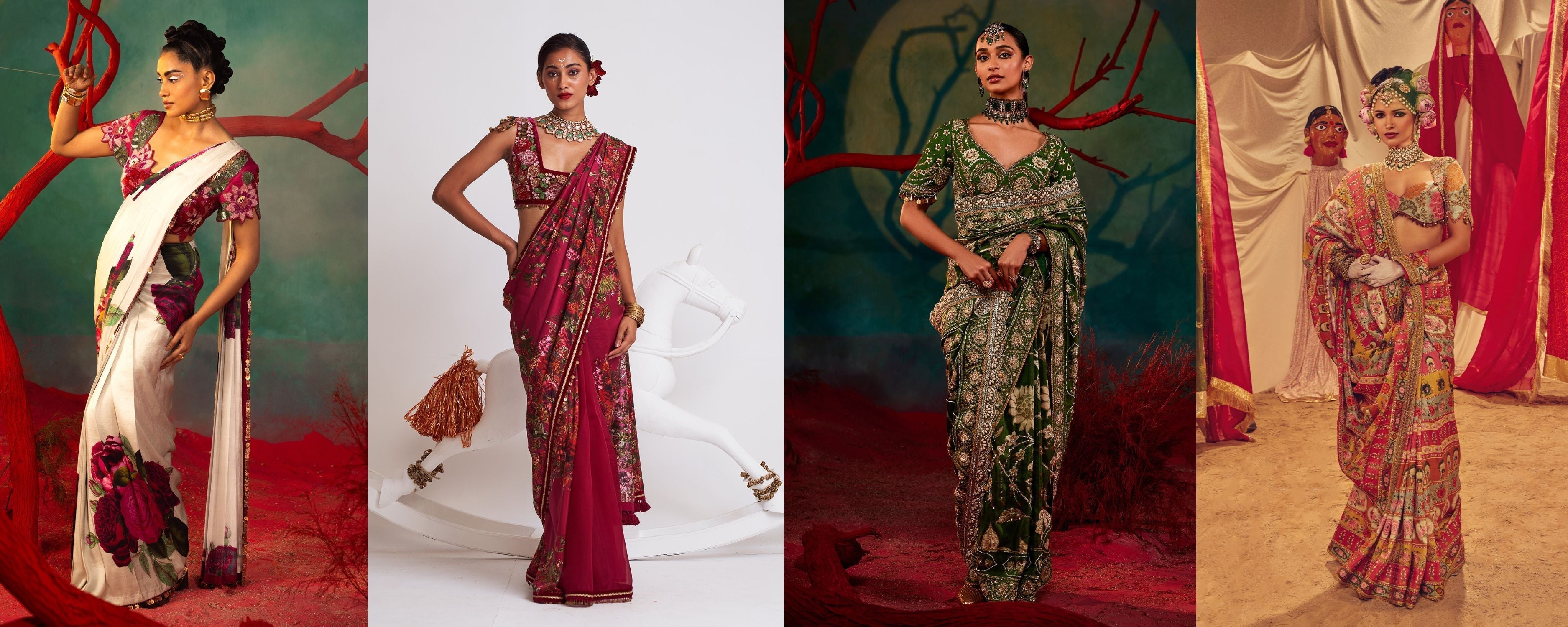
Stylish Sarees for Wedding Season | Discover Your Perfect Style Today
There’s something undeniably special about slipping into a saree during the wedding season. Whether it’s for a pre-wedding celebration or the big day itself, sarees have an unmatched ability to ble...
Read more